Understanding Tread Patterns in PCR Tires: What You Need to Know 🚗
| June 19, 2025Tire tread isn’t just about design—it’s your car’s direct contact with the road. The right tread pattern improves safety, fuel efficiency, and driving comfort. 🛣️
In this article, we’ll help you understand PCR tire tread patterns, their types, benefits, and how to choose the best one for your driving needs.
What Are PCR Tires? 🛞
“PCR” stands for Passenger Car Radial tires. These tires are commonly used on passenger vehicles like hatchbacks, sedans, and small SUVs.
Thanks to their radial construction, PCR tires offer:
- A smoother ride
- Better fuel efficiency
- Quieter driving
- Enhanced grip on paved roads
They’re designed for everyday road use, combining performance and safety in one durable package.
Understanding Tread Patterns 🔍
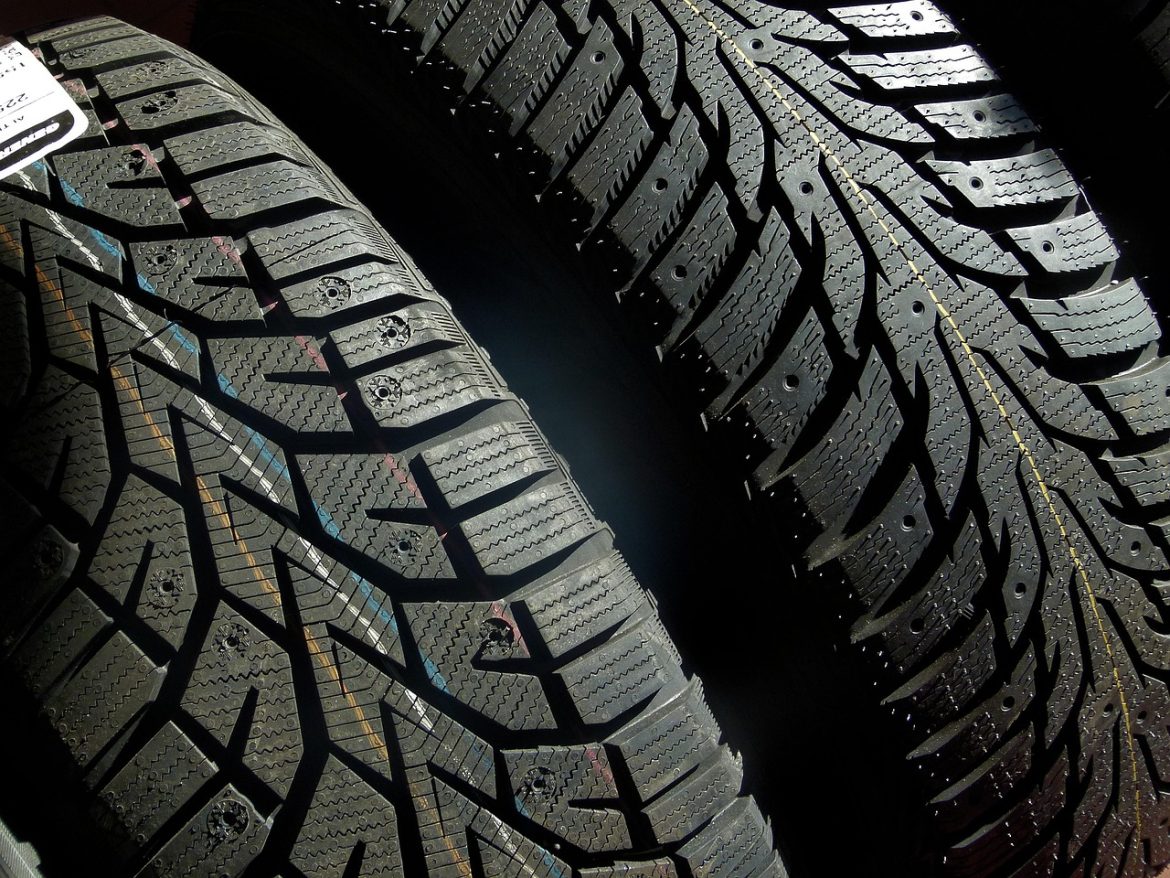
The tread pattern is the unique design you see on your tire’s surface. It’s more than just appearance—it serves critical safety functions.
Key components of a tread pattern:
- Ribs: Raised rubber segments that improve contact with the road
- Grooves: Channels that help drain water and reduce hydroplaning
- Blocks: Segments that boost grip for acceleration and braking
- Sipes: Small slits in blocks that increase traction on wet roads
Together, these elements define how your tire behaves in different conditions.
Types of PCR Tire Tread Patterns ⚙️
Let’s explore the three main PCR tire tread patterns and their advantages:
1️⃣ Symmetrical Tread Pattern
- Design: Identical inner and outer sides
- Benefits:
- Easy to rotate in any direction 🔄
- Quiet and smooth ride
- Affordable and fuel-efficient
- Drawback: Limited grip on wet surfaces
- Best for: City driving in dry or mild conditions
2️⃣ Directional Tread Pattern
- Design: V-shaped grooves that point forward
- Benefits:
- Excellent water evacuation 🚿
- Superior handling in wet or snowy conditions
- Great for high-speed performance
- Drawback: Can only be rotated front to back (on the same side)
- Best for: Rainy climates, long-distance driving, and performance vehicles
3️⃣ Asymmetrical Tread Pattern
- Design: Inside is built for wet grip; outside for dry cornering
- Benefits:
- Balanced wet and dry performance
- Improved cornering and braking 🚘
- Quieter ride
- Drawback: Rotation is restricted (can’t flip inner/outer)
- Best for: All-season driving, premium car performance
🌐 Flow-Optimized / Hybrid Treads
Some modern tires combine directional and asymmetrical designs. These hybrid tread patterns offer:
- Excellent traction in all weather
- Enhanced water drainage
- Smooth and quiet performance at high speeds
These are ideal for drivers looking for versatility and performance in one tire.
How Tread Patterns Affect Safety 🛡️
Proper tread design is critical for:
- Preventing hydroplaning: Tread channels push water away, helping your car stay connected to the road.
- Better braking: Deep grooves and sipes offer more bite on slippery or dry roads.
- Handling control: Good tread allows smoother turns and better lane control.
🛑 Always check tread depth. If it’s worn down to 2/32″, replace your tires immediately.
Also look out for:
- Wear indicators (small rubber bars inside grooves)
- Uneven wear patterns—may signal alignment issues
- Cracks or punctures
Choosing the Right Tread for Your Driving Style 🚦
| Driving Condition | Best Tread Pattern | Why |
| Mostly dry roads | Symmetrical | Quiet, fuel-efficient, easy to maintain |
| Rainy or wet conditions | Directional or Hybrid | Best water drainage, prevents hydroplaning |
| Mixed weather/climates | Asymmetrical or Hybrid | Balanced grip in both wet and dry conditions |
| Sporty/performance driving | Asymmetrical | Superior control, handling, and grip |
🧭 Bonus Tips:
- Driving habits: Aggressive drivers benefit from asymmetrical tread
- Weather: Choose directional for monsoon regions
- Budget: Symmetrical tires are budget-friendly, but hybrids offer better performance
Maintenance & Tire Rotation Tips 🔄
Proper maintenance extends tire life and ensures safety:
- Symmetrical: Rotate in any pattern—front/back or left/right
- Directional: Only front-to-back on the same side
- Asymmetrical: Rotate front/rear, but keep inner/outer sides consistent
🛠️ Also:
- Check air pressure monthly
- Align wheels regularly
- Replace when tread depth is low
Sustainability & Innovation in Tread Design 🌱
New technology is improving how PCR tires are made:
- Intelligent tread that adapts to road conditions
- Eco-friendly materials for lower emissions
- Retreadable designs for waste reduction
These advances make tires not only safer but more sustainable for our environment.
Conclusion ✅
Choosing the right PCR tire tread pattern plays a major role in your car’s safety, efficiency, and comfort.
To recap:
- Symmetrical: Ideal for city and daily use
- Directional: Best for wet roads and highway driving
- Asymmetrical: Perfect for all-round performance
👉 At Vizzoni, we offer a wide selection of premium PCR tires that match your driving needs. Explore our tire maintenance tips to keep your tires performing their best! 🔧