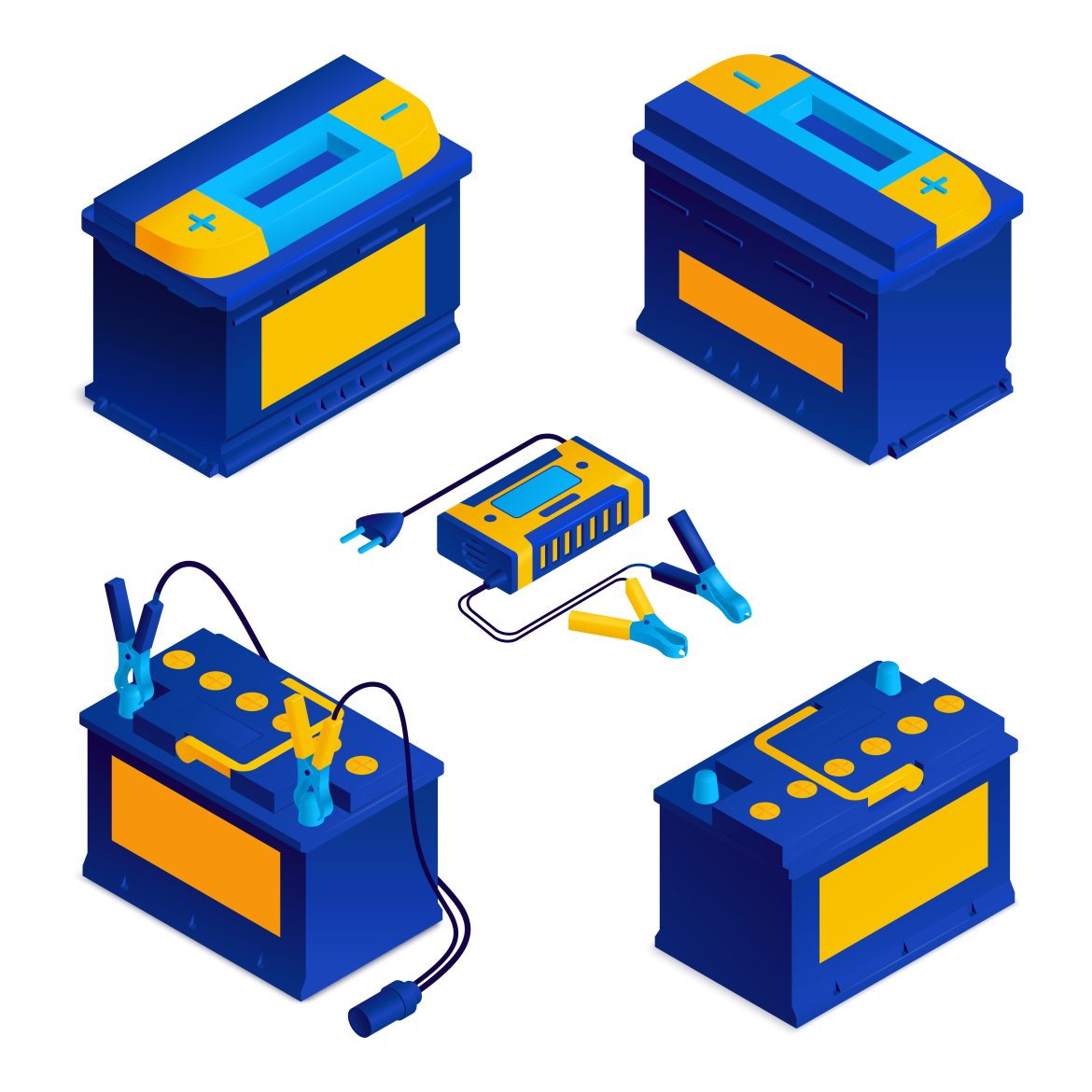
Understanding the Different Types of Automotive Batteries
| July 18, 2025If the engine is the heart of your car, then the battery is its pulse. Without it, nothing powers up—no ignition, no lights, not even your favourite radio station. But did you know there are different types of automotive batteries, each designed for specific vehicle needs?
Whether you’re driving a standard sedan, a luxury electric vehicle, or an off-road beast, understanding the right battery type is key to smoother performance and fewer roadside surprises.
Let’s break down the common types of car batteries, what makes them unique, and how to choose the best one for your vehicle.
What Does an Automotive Battery Actually Do?
A car battery isn’t just there to start your engine. It powers your headlights, dashboard, air conditioning, stereo, and all the electronic components inside your car. And in modern vehicles, it supports increasingly complex electrical systems—even when the engine is off.
Simply put: without a healthy battery, your vehicle isn’t going anywhere.
👉 Read more: Signs Your Automotive Battery Needs Replacing
1. Lead-Acid Batteries: The Traditional Workhorse
When people think of car batteries, this is what usually comes to mind. Lead-acid batteries have been around for decades—and for good reason. They’re reliable, affordable, and easy to find.
🔋 Types of Lead-Acid Batteries:
- Flooded (Wet Cell):
Basic and inexpensive. Needs regular maintenance (topping up with water). - AGM (Absorbed Glass Mat):
Sealed, maintenance-free, and vibration-resistant. Ideal for start-stop systems. - EFB (Enhanced Flooded Battery):
A middle ground between Wet Cell and AGM, better suited for newer vehicles with start-stop technology.
✅ Pros:
- Low upfront cost
- Good cold-cranking power
- Available in most stores
❌ Cons:
- Shorter lifespan (especially Wet Cell)
- Heavier and larger
- Prone to sulfation if left unused
Best for: Daily drivers, budget-conscious users, older vehicles
2. Lithium-Ion Batteries: The Modern Powerhouse
As electric and hybrid vehicles gain popularity, lithium-ion batteries are taking center stage. They’re lighter, charge faster, and store more energy than lead-acid types.
✅ Pros:
- High energy density (more power in less space)
- Lightweight design
- Long lifespan (3x more than lead-acid)
- Faster charging times
❌ Cons:
- Higher cost
- Sensitive to extreme temperatures
- Requires smart charging systems
Best for: Electric vehicles (EVs), hybrids, luxury and high-performance cars
3. Other Battery Types You Might Encounter
While lead-acid and lithium-ion are the main players, there are a few other types worth knowing—especially for specific or emerging vehicle models.
🔧 Gel Cell Batteries:
- Similar to AGM but filled with gel-like electrolyte.
- Less common but ideal in hot climates.
- Extremely vibration-resistant.
🔧 Nickel-Metal Hydride (NiMH):
- Common in older hybrid cars like early Toyota Prius models.
- Durable, but heavier than lithium-ion.
🔧 Solid-State Batteries (Future Tech):
- Still in development.
- Promise even higher capacity and safety.
- May soon replace lithium-ion in the EV space.
4. Lead-Acid vs Lithium-Ion: Which One Should You Choose?
Let’s compare them side by side:
| Feature | Lead-Acid Battery | Lithium-Ion Battery |
| Cost | Affordable | Expensive |
| Lifespan | 3–5 years | 8–10 years |
| Weight | Heavy | Light |
| Charge Time | Slower | Faster |
| Maintenance | Medium to High | Low |
| Best For | Conventional cars, budget | EVs, high-performance cars |
5. What to Consider Before Buying a Battery
Before heading to the auto shop or browsing online, ask yourself:
- What kind of vehicle do I drive?
(Conventional, hybrid, or electric) - How often do I drive?
(Daily commuters may benefit from AGM or lithium-ion) - What climate do I live in?
(Extreme cold or heat affects battery performance) - What’s my budget?
(Start with what you can afford but consider long-term value) - How much maintenance am I willing to do?
(Some batteries need more care than others)
Don’t pick just any battery—pick the one your car truly needs.
Conclusion: Know What Powers Your Drive
Understanding the different types of automotive batteries isn’t just for car geeks. It’s practical knowledge that can help you extend your battery life, save on replacements, and avoid the frustration of a dead car at the worst time.
Whether you go with a traditional lead-acid battery or a modern lithium-ion, the key is to match your choice to your car’s demands and your lifestyle.
👉 Need help selecting the best battery for your car? Contact our team today.
FAQs
Q1. What are the main types of automotive batteries?
A: The main types of automotive batteries are lead-acid batteries (including Flooded, AGM, and EFB types), lithium-ion batteries, gel cell batteries, and nickel-metal hydride batteries.
Q2. Which battery is better: lead-acid or lithium-ion?
A: Lithium-ion batteries are better for electric and high-performance vehicles due to their longer lifespan and faster charging. However, lead-acid batteries are more affordable and suitable for conventional cars.
Q3. How long does an automotive battery last?
A: Lead-acid batteries typically last 3–5 years, while lithium-ion batteries can last up to 8–10 years with proper care.
Q4. Can I use a lithium-ion battery in any car?
A: No, lithium-ion batteries are mainly used in electric and hybrid vehicles. Most conventional vehicles are designed for lead-acid batteries.
Q5. What type of battery is best for cold weather?
A: AGM lead-acid batteries perform well in cold weather due to their sealed design and better cold-cranking amps.
Q6. Do automotive batteries require maintenance?
A: Flooded lead-acid batteries need regular water top-ups, while AGM and lithium-ion batteries are maintenance-free.