Zeppelin Crash Game Creates Positive Memories for UK Daily
| June 15, 2026
A fresh type of online fun is gaining traction throughout the UK. Gamers are captivated by a combination of nerve-wracking tension and effortless socializing. The Read Our Review Zeppelin Crash Game, an online activity, is turning into a beloved element of the daily routine for numerous people. It delivers more than a fast rush. It creates a sense of togetherness and shared excitement, changing individual screen time into a collective journey. The experience is focused on beyond predicting when a payout will peak. It’s focused on crafting occasions of thrill that stay with you, accumulating a store of fond recollections round by round. For numerous people in this area, it’s evolved into a daily peak experience—a online meeting place for exchanging narratives.
Fostering Community Through Shared Anticipation
The Zeppelin Crash Game operates because it creates and strengthens community ties. The game acts like a digital village green where people assemble not just to play, but to exchange a feeling. The waiting time as the zeppelin rises humms with communal energy. Chat functions overflow with encouragement, playful warnings, and shared nerves. This transforms a solo act of speculation into a group event. For regular UK players, these chats become a recognizable and comfortable social spot, a constant thread in their online lives where they encounter like-minded people.
This feeling of belonging develops through player-made cultures and habits. People create their own slang for different multiplier levels, cheer for consistent players, and give condolences after a big crash. These organic, player-driven rituals are the foundation of a positive community. They provide people a sense of identity and inclusion that extends past the game screen. For many, logging in is as much about greeting fellow sky-watchers as it is about the round’s result. This community side means the memory of the game isn’t just about personal wins or losses. It’s about the laughter, the shared gasps, and the friendly rivalries that define the whole experience.
Gamer Tales: Moments Forged in the Sky
The true impact of the Zeppelin Crash Game shines through in the stories told by its devoted UK players. These tales keep highlighting times of shared victory, amusing blunders, and surprising generosity. One player could recount the moment the entire lobby applauded a beginner’s maiden major win, forming a warm experience that endured longer than any prize. Another may recount the tense session where a mate overcame the chances, with the festivities afterwards feeling as real as if they were in the identical space.
These stories often jump from the virtual realm into everyday existence. Connections that begin in the game’s conversation spread to other messaging platforms, and occasionally to meeting in person. This cements a bond first made over a online blimp’s rise. The common vocabulary and moments become a component of a community’s unique tradition, mentioned and laughed about in other environments. These player stories are the clear testament of the game’s special power. They aren’t tales of isolated wagering. They are tales of togetherness, excitement, and social bonding. They demonstrate that the greatest asset the zeppelin holds is the opportunity to create lasting, positive social experiences.
The Zeppelin Crash game as a Digital Social Hub
Beyond a simple game, Zeppelin Crash has grown into a lively digital social hub for its UK players. The platform operates like a current-day equivalent of a welcoming neighborhood pub or community centre, where the main activity ignites conversation. Players often log in mainly to socialise, using the drama of the zeppelin’s flight as a conversation starter. The chat becomes a active hub for exchanging jokes, telling personal tales, and offering support. This forms a rich social layer that is as meaningful as the game itself.
This hub quality is important in a time when digital connections can seem fragmented or superficial. Zeppelin Crash offers a consistent, shared context that promotes deeper and longer interactions. Regulars get greeted by their username, inside jokes emerge, and real friendships develop from repeated shared excitement. The game’s rounds give a steady, shared heartbeat to these chats, offering natural breaks and easy things to talk about. So, the positive memories appear in two forms: the thrill of the game and the warmth of social connection. This turns it into a twofold destination for daily digital leisure.
Building Daily Rituals and Constructive Routines
For more and more people in the UK, playing the Zeppelin Crash Game has become a treasured daily ritual. These rituals offer structure and a assured dose of positive fun in a world that can feel chaotic. Like a morning coffee or an evening stroll, setting aside time for a few rounds becomes a indispensable treat. It’s a personal promise to add some excitement to the day. This regular engagement transforms the activity from casual fun into a meaningful part of daily well-being. It provides a reliable mental reset and a moment of concentrated enjoyment.

The psychological benefits of such positive routines are clear. They can lower stress, boost mood, and improve life satisfaction by providing you little moments of anticipation and pleasure to look forward to. The Zeppelin Crash Game, with its short rounds and constant availability, integrates neatly into these routines. It might be a quick session to break up a work-from-home afternoon, or a longer, more social play in the evening. It serves as a bookend to daily tasks. The steady positive feedback—from both the game’s mechanics and the community—strengthens this habit. It preserves the ritual a source of joy and a factory for making small, happy memories that add up over weeks and months.
The Growth of Social Play in British Daily Life
How Britons spend their free time has moved toward digital socialising. Traditional gaming often meant playing alone, but newer experiences focus on playing together and sharing the thrills. The Zeppelin Crash Game is a perfect example. The primary fun comes from everyone holding their breath together as a virtual airship climbs. This meets a basic human need for connection, even online. The game’s format is simple and tense. It matches the pace of life in Britain today, giving people a fast but significant shared escape on a lunch break, to unwind in the evening, or while chatting with friends at the weekend.
The game fits into daily life because it’s easy to pick up. You don’t need to learn complicated rules or spend hours getting good. The main idea is intuitive, so anyone can join the thrill in seconds. This low barrier is crucial for its social side. It lets all sorts of people come together on equal footing. Discussion turns to shared tactics, celebrating close calls, and the dramatic end of each round. This creates bonds over a common interest. The game acts as a social lubricant for the digital age, a steady topic of chat and a source of light-hearted friendship that adds regular bursts of positive fun to the day.
The psychology of a rewarding Gaming Experience
The long-term good memories tied to the Zeppelin Crash Game are based on psychology. The game navigates the boundary between excitement and a comfort zone, creating what you could call a “controlled risk” space. The stakes feel high emotionally, but players typically set their own limits. This enables the thrill of risk without real-world danger. It activates a release of dopamine, the brain’s pleasure chemical, during both the tense climb and a successful cash-out. This trains the brain to connect the game with positive feelings and a sense of success.
The game’s structure also provides regular doses of “intermittent reinforcement.” Because the crash point is unpredictable, rewards don’t come on a fixed schedule. In behavioural science, this is a strong motivator. This unpredictability, mixed with social praise from the community after a good round, drives repeat engagement in a positive loop. The memories made aren’t of boring repetition. They’re of unique, adrenaline-filled moments enhanced by social recognition. This psychological mix makes the experience lasting, sought-after, and fondly remembered. It’s a key reason why the game becomes a daily highlight for its players.
Mindful Enjoyment and Attentive Participation
Creating truly positive memories hinges on playing sensibly and attentively. The Zeppelin Crash Game, like any enjoyable activity featuring chance, is best enjoyed when you engage with it with consciousness and clear limits. The community and the platforms hosting these games highlight the value of regarding it as paid entertainment, like purchasing a cinema ticket, not a way to make money. Establishing strict limits on time and money beforehand is the best way to keep the experience a joyful highlight, without any unpleasant aftertaste.
Attentive play also means understanding the game’s emotional rhythm and your own feelings to it. The best memories arise when players participate in the social and suspenseful aspects, enjoying the collective journey instead of dwelling on the result. The UK audience has demonstrated a strong inclination for this balanced approach. They’ve created a community culture that values the thrill of the ride as much as the finish line. By prioritizing enjoyment before outcome and connection before accumulation, players safeguard their experience. They make sure their daily interaction with the game stays a source of fun, a community builder, and a dependable generator of good vibes.
Understanding the Zeppelin Crash Phenomenon
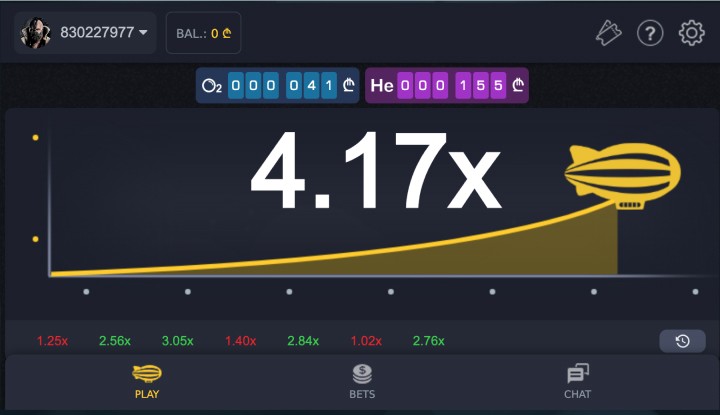
The Zeppelin Crash Game operates on a remarkably simple idea that conceals its real power to generate excitement. Players make a bet on a climbing digital zeppelin, observing a multiplier go up in real time. The goal is to cash out before the airship bursts at a random moment. This creates a real tension between greed and caution, a personal drama everyone watches. Each round is its own short story with a building plot. Every player is both writer and audience, selecting their own ending. This core loop is deeply absorbing. It transforms a basic economic model into a stage for human psychology and risk.
The mechanic evolves into a social phenomenon because it takes place in real time, together. Everyone witnesses the same climbing zeppelin and the same increasing multiplier. It’s a single playing field where one person’s choice influences the whole group. When someone boldly cashes out at a high number, it sends a ripple of admiration and doubt through the others. The final crash gives everyone a shared moment of release, a collective sigh that sets up the next journey. This cycle of shared experience drives the game’s popularity. It creates a constant stream of tiny events that are easy to share, talk about, and remember, creating a tapestry of positive group memories.
The Next Chapter of Shared Entertainment Experiences
The direction of the Zeppelin Crash Game points to a wider future for digital entertainment. In this future, social engagement and communal emotional experiences are key. Its success demonstrates a strong public appetite for platforms that deliver more than passive consumption or solo play. What comes next will undoubtedly see these models progress further. We might see richer social features, more engaging communal spaces, and maybe links with bigger social media networks. All this would strive to boost the feeling of unity. But the main appeal will stay the same: providing a straightforward, captivating shared activity where people can gather and engage.
For the UK, with its rich culture of social leisure and pub socialising, this digital variant hits home. Games like Zeppelin Crash are spearheading a new form of social entertainment. They respect the player’s intelligence while providing uncomplicated fun. They understand that in a world that’s more digital every day, people still seek the excitement of a shared event, the joy of a collective cheer, and the reassurance of a known community. As technology improves, these experiences will become smoother and more integrated into daily life. This will guarantee that creating uplifting, communal memories in digital spaces remains not just possible, but a common and cherished part of life for millions.
The Zeppelin Crash Game has become a sensation in the UK by combining uncomplicated, suspenseful play with a robust social framework. It’s more than a game now. It’s a daily ritual, a online social hub, and a reliable source of enjoyable shared memories. By fostering shared anticipation, encouraging healthy play, and enabling authentic connections, it demonstrates a way for the future of online fun. For its increasing community, the game represents something larger than predicting a multiplier. It’s a steady and delightful slice of daily life, showing that the most memorable moments are often the ones you experience with others, even if you’re watching through a screen.